Why Today’s Homes Need More Power
Electrical systems installed 20 or 30 years ago were designed for a different era. Back then, homes in Crystal Springs typically ran on 100-amp service with far fewer circuits. Today’s households operate multiple high-draw appliances simultaneously: central air conditioning units during Mississippi’s humid summers, electric water heaters, kitchen ranges, washer and dryer sets, plus an array of electronics charging around the clock.
When you search for an electrical panel upgrade, you’re likely experiencing one or more warning signs. Circuit breakers may trip frequently, especially when running the air conditioner and laundry at the same time. Lights might flicker when major appliances kick on. Some homeowners notice warm breaker switches or detect a burning smell near the panel. These symptoms indicate your electrical system is working beyond its intended capacity.
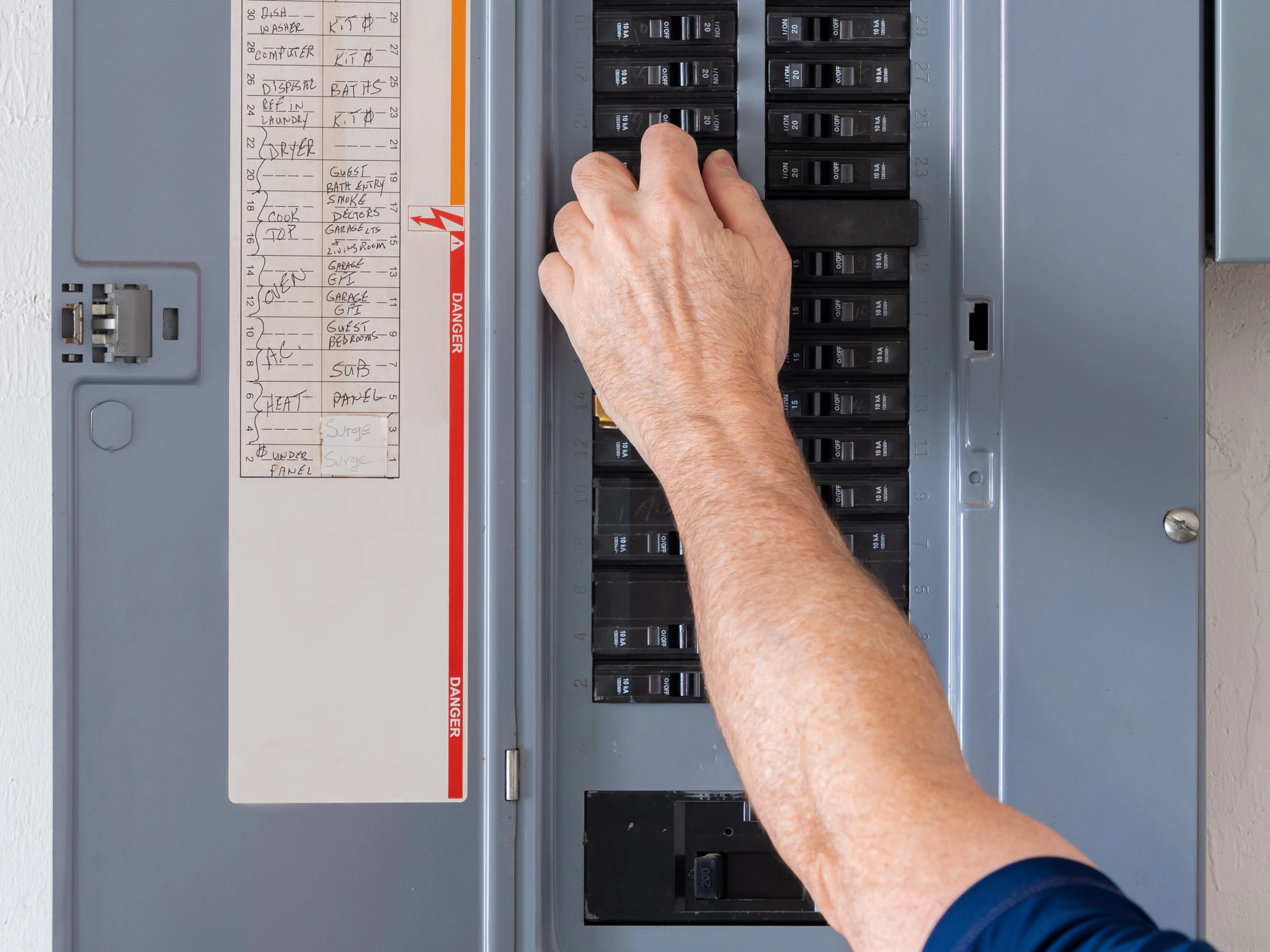
Modern code requirements and safety standards have evolved significantly. Older panels, particularly certain brands manufactured decades ago, lack the protective features now considered essential. Upgrading to a current 200-amp panel with modern circuit breakers provides the capacity and safety features needed for contemporary living. This foundation supports everything from electric vehicle chargers to whole-home generators, investments many Crystal Springs residents are considering as they plan for the future.
Protection Against Electrical Hazards
The primary reason to upgrade an electrical panel centers on safety. Outdated panels pose genuine risks that worsen over time. Connections loosen, components corrode, and materials degrade. In areas with Mississippi’s humidity levels, these issues accelerate. An overloaded panel generates excessive heat, potentially damaging wiring insulation and creating fire hazards.
Modern panels incorporate arc-fault circuit interrupters (AFCIs) and ground-fault circuit interrupters (GFCIs) that older systems lack. AFCIs detect dangerous arcing conditions that standard breakers miss, shutting off power before sparks can ignite surrounding materials. GFCIs protect against electrocution by monitoring current flow and interrupting circuits within milliseconds when they detect irregularities. These technologies have become code requirements in new construction and renovations for good reason.
Certain panel brands installed between the 1950s and 1990s have documented failure rates and safety concerns. If your home contains one of these models, replacement becomes a priority rather than an option. A qualified electrician can identify problematic panels during an inspection and recommend appropriate upgrades. The investment in a new panel provides tangible protection for your family and property, addressing risks that insurance companies increasingly recognize and sometimes require homeowners to remediate.
When looking for electrical panel services in Crystal Springs, Rod’s Quality Electric LLC brings the detailed knowledge and hands-on experience needed to assess your current system accurately. Our familiarity with local building codes and common residential configurations means we can identify issues quickly and propose solutions that meet both safety standards and your household’s specific requirements.
How Panel Upgrades Reduce Operating Costs
An upgraded electrical panel creates opportunities for improved energy management throughout your home. While the panel itself doesn’t directly reduce consumption, it enables the installation of energy-monitoring systems and supports efficient appliances that older panels cannot accommodate. Many homeowners upgrading their panels also install whole-home surge protection, which prevents damage to sensitive electronics and appliances, extending their operational life and maintaining efficiency.
Older panels often have inadequate circuit distribution, forcing multiple rooms or appliances to share circuits. This configuration can cause voltage drops that make motors and compressors work harder, consuming more electricity while delivering less performance. A properly designed upgrade provides dedicated circuits for major appliances, allowing them to operate at optimal efficiency. For air conditioning systems working through Mississippi summers, this difference translates to measurable savings on monthly utility bills.
The upgrade process also presents an ideal time to address outdated wiring. Aluminum wiring, common in some construction periods, requires special connections and poses higher fire risks than copper. Knob-and-tube wiring, still present in older Crystal Springs homes, lacks grounding and cannot safely handle modern loads. Addressing these issues during a panel upgrade prevents future problems and supports energy-efficient operation across your electrical system.
Building Capacity for Future Needs
Home improvement projects frequently trigger the need for panel upgrades. Kitchen remodels typically add multiple appliances requiring dedicated circuits. Bathroom renovations require GFCI protection. Finished basements or converted garages need proper electrical distribution. Without adequate panel capacity, these projects cannot proceed safely or legally. Planning your upgrade before starting renovations saves time and money compared to discovering capacity limitations midproject.
Electric vehicle adoption is growing steadily, even in smaller communities. Level 2 EV chargers, which provide practical charging speeds, typically require 240-volt, 40 to 50-amp circuits. Most older panels lack the available capacity or physical space for these circuits. Upgrading your panel now positions your home for this technology, whether you currently own an electric vehicle or anticipate purchasing one within the next several years.
Standby generators have become increasingly popular throughout Mississippi, where severe weather can cause extended outages. These systems require transfer switches and substantial electrical capacity. A 200-amp panel with proper load calculation supports generator installation, providing backup power for essential circuits or whole-home coverage. This capability offers genuine value in areas where storm-related outages occur regularly during certain seasons.
Smart home technology and automation systems also benefit from modern electrical infrastructure. While individual smart devices draw minimal power, the cumulative load of connected thermostats, security systems, automated lighting, and network equipment requires stable, properly distributed power. Upgrading your panel ensures these systems operate reliably without creating nuisance trips or power quality issues.
Investment Benefits Beyond Daily Use
Real estate professionals recognize that updated electrical systems influence buyer decisions and property valuations. Home inspections routinely flag outdated panels, particularly those with known safety issues. Buyers often request panel upgrades as conditions of sale or negotiate price reductions to cover replacement costs. Completing the upgrade before listing your home eliminates these negotiations and presents your property in better condition.
Insurance companies have become increasingly attentive to electrical system age and condition. Some carriers refuse coverage for homes with specific panel types or charge significantly higher premiums. Others require inspections and upgrades as conditions for policy renewal. Proactively upgrading your panel can reduce insurance costs, improve coverage options, and eliminate the stress of compliance deadlines imposed by carriers.
The permit and inspection process for panel upgrades provides documented verification that work meets current codes. This documentation becomes part of your home’s permanent record, valuable during future sales or refinancing. Licensed electricians familiar with local requirements ensure installations pass inspection the first time, avoiding delays and additional costs associated with correction notices.
At Rod’s Quality Electric LLC, we handle panel upgrades throughout Crystal Springs and surrounding communities with the same attention to detail we bring to every project. Our experience with local building departments streamlines the permitting process, and our work consistently meets inspection standards. We understand that this investment represents more than just electrical capacity; it’s about protecting your home, supporting your lifestyle, and maintaining your property’s value. From initial assessment through final inspection, we make the upgrade process straightforward and ensure results that will serve you reliably for decades.